Podcast Episode: The Longest Shortest Time – Episode 245
👉 Listen to the original recording here: https://longestshortesttime.com/episode-245-lessons-in-love-from-ya-tv/
This episode brings together host Hillary Frank, pop culture critic Kristen Meinzer, and health educator Shafia Zaloom to unpack how romance is portrayed in today’s teen and young-adult shows.
Transcript
Hillary:
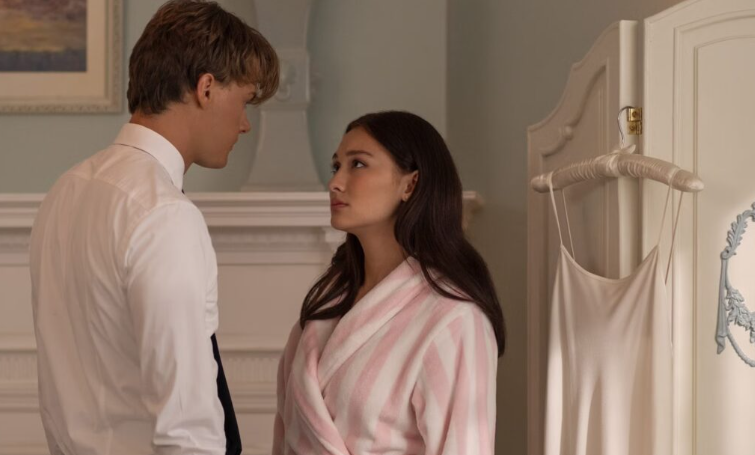
Hey there, longest, shortest time listener. Be honest. Do you like listening to stories about parenthood and reproductive health? Do you like when they're bold and complicated and funny and poignant all at the same time? Of course you do. That's why you listen to the show, and it's part of what makes you special. So I want to invite you to join our special club. It's called LST Plus. And when you join, you get all kinds of cool stuff. You get to be part of our community where you can bond with other listeners. You get to suggest story ideas for future episodes. You get access to a whole other show with super awesome college kids talking about sex, dating, and relationships. And you get to hang out with me and reproductive health experts and past guests and ask them questions. Membership is just 50 bucks a year or 7 bucks a month. And if you want to give more, you can. We've relaunched independently. So when you join the club, you're helping this show to simply exist. Sign up is easy. Just go to longestshortesttime.com/club. See you there. On Friday nights in my house, we order in and watch TV. Me, my husband, and our daughter, who's 15. Last fall, we binged the third and final season of The Summer I Turned Pretty. When it was over, we were all like, boo, that's a terrible ending. But my daughter says a lot of kids she knows loved it. They thought it was so romantic. which kind of freaks me out because I don't just think the end of the summer I turn pretty is disappointing. I think it's dangerous. I wanted to talk about this on the show with someone, someone who knows TV and knows teens.
Kristen:
I'm Kristen Meinzer. I'm a pop culture critic and I'm A co-host of The Nightly, which is a bedtime podcast for pop culture lovers.
Hillary:
Kristen was on our recent episode, TV to Spark Conversations with Adolescent Kids, where she talked about the TV she loves to watch with the young people in her life. Nieces, nephews, honorary nieces and nephews.
Kristen:
So yeah, I hear a lot of stuff from teens that they probably aren't going to tell their parents because I'm like, Auntie Kristen, you know?
Hillary:
I also wanted to hear from someone who works with teens.
Shafia:
I'm Shafia Zaloom. I'm a health educator and an author. I've worked with thousands of teens and their families in various roles. So I specialize in healthy sexuality and relationship education. And I teach a course called Sexuality and Media for Young People. I'm a parent. I have three kids, 24, 22, and 16.
Hillary:
Shafia's also worked as an advisor on the Netflix animated show about puberty, Big Mouth. And she's been a guest on a couple of my favorite longest, shortest time episodes, Shafia's Illume's playful approach to sex ed and You Know What, an LST spin-off. I'll drop links to those episodes and to Kristen's in the show notes. This is the longest, shortest time. I'm Hilary Frank. Today, Shafia, Kristen, and I are going to talk about how romance is depicted in The Summer I Turn Pretty and other titles that teens are into these days. We'll get to recent hits like K-pop Demon Hunters and Heated Rivalry, plus old classics like Friends and Sex and the City. Heads up, this episode contains spoilers, especially for The Summer I Turn Pretty.
Kristen:
That's been out long enough.
Hillary:
That's what I think.
Kristen:
The show was. trash.
Hillary:
Oh, I like Kristen already. Yay, my friends are getting along. I want more of my friends to get along. Friends like you. That's right, all of you listening right now. We have a club where you can bond with each other, commiserate with each other, talk about TV with each other. Come on, you know you want to talk about heated rivalry. We've got a Discord now, which makes chatting super easy. All you need to do is join LST Plus. It's 50 bucks a year or 7 bucks a month, and you'll get ad-free listening too. Just go to longestshortesttime.com slash club. Okay, The Summer I Turned Pretty. If you haven't seen it or need a refresher, this series begins when our main character, Belly, is 15.
Kristen:
And she realizes, oh, I might be hot now. Boys might be looking at me a little bit differently than they used to. And the boys that are looking at her might include the two brothers, one of whom she's always had a crush on.
Hillary:
Conrad and Jeremiah.
Kristen:
Yes, Conrad and Jeremiah, who we then, Lord help us, for three overly long seasons, we watch her flip-flop back and forth between loving these two brothers, hooking up with these two brothers, longing for these two brothers. And the thing is, all the actors are very good looking. The way it's filmed, it's very beautiful to look at and so on. But I personally find that overarching storyline very tiresome after a while. And not very well done either. That's my take on it. But I know a lot of kids love this show. And Hilary, I know that your daughter and her friends were watching this show.
Hillary:
Yes, I watched it with my daughter and my husband. And I think at first we thought like, There are certain shows that I watch with my daughter and it's okay if my husband misses them. he'll like come in and sit in on episodes when he's around, but he would get annoyed if we watched without him. And I think it's like the soap opera nature of the show, which like we will get into like the story of it all, but I was hooked by the soap opera of it all. Shafia, I want to know what your thoughts are about the romance in the show and how you hear students of yours talking about the show.
Shafia:
Well, first, I think it's super interesting. I was talking to my niece and she's actually an avid reader. And she read the, you know, the book and actually was quite disappointed in the show because she thought the books were so much better in terms of character development, storyline. And when I asked her like what her issue was specifically, she said, to keep people's attention, they're going to create all these turns and cliffhangers and sensationalize the show in ways that are going to hold an audience's attention and stray from the essence of what made the book so good. And I thought that was really interesting. And when I talk to my students about like what's so compelling about the show, it is the soap opera aspect of it too, but it is sort of this like, oh, she gets to choose and she has these boys at her feet. But when I say, okay, but because she turned pretty, she had a glow up. And so suddenly she has all this attention. It's not because they know Belly and who she is and how close they are and how much she actually cares about them. Fun, they shared experiences during the summer. It's about the fact that suddenly she's pretty, right? And kids will say, yeah, that's totally messed up. And, right, and they go forward and just eat up the drama of it all.
Hillary:
Kristen, can you speak to that? The show was set up to really create teams, right? Are you Team Conrad or Team Jer? What are you seeing in the relationship between Belly and Conrad versus the relationship between Belly and Jer?
Kristen:
Okay, first of all, kids, if you're listening, don't date two brothers. Don't do that, please. This is a messy, messy thing. Don't do it. But Conrad is the one who Belly actually has longed for and lusted for and dreamed about her whole life. He is the object of her affection. He is kind of like a Mr. Darcy character, for those of you who know Pride and Prejudice. He is older, more standoffish. He is responsible and logical. And then you have Jer, who's the younger brother, who's fun, who's wild, who is a little less conventional and so on. But Jer has more feelings for Belly than she has for him. Meanwhile, Belly has stronger feelings for Conrad. And it feels all throughout all three seasons that Conrad doesn't actually feel much at all for Belly.
Hillary:
Do we think he doesn't love her or is he just like brooding?
Kristen:
Okay, here's the thing about brooding. I get it. There's like, oh, he's mysterious. He's complex. He's hard to read. He doesn't give his feelings to just anyone. You have to really work for him to love you back. Why is that something we should be aspiring to? And I know why some people say we should be aspiring to. It's like, well, When he loves me, he really means it. Unlike Jer, who gives his love to everybody, who's loving and gregarious to everyone, I'd rather have the guy who hates everybody except me. Why would you want a guy who hates everybody except you? Why would you want that? And I think that we romanticize that a lot. I don't think that's something we should be romanticizing.
Shafia:
I just want to say, too, that I think Belly actually gets away with a lot of really behavior that she's never really held accountable to. So I mean, how she treats the boys, how she flips back and forth, how she's making out with one and then another, how she doesn't reveal those things and she's not being real. And how I see this happen in my classrooms is kids will ask me, boys in particular will say, how come girls talk about wanting someone who's emotionally available, someone who's there, who will be there for them in the ways they want, but then it's the jerks that get all the attention.
Hillary:
I'm going to push back against this a little bit because I think that characters behaving badly can make for like some of the greatest stories.
Kristen:
I mean, yes, I agree with you, Hilary. Like if people don't behave badly, then there's not a plot. There's not anything to solve. There's not anything to follow. We need people to make bad decisions for there to be stories, right? But I think how the bad behavior is depicted can sometimes reinforce negative ideas about what is good or bad, because what is rewarded on the screen? Is that negative behavior rewarded? In the case of The Summer I Turned Pretty, yes, everyone's bad behavior is pretty much rewarded without a lot of self-reflection, as Shafia was saying. But I'm not against bad behavior. I think that's part of what makes it fun. But also, I will just say artistically, I don't think The Summer I Turned Pretty is a very fun show compared to the other Jenny Han adaptations. Like To All the Boys and XO Kitty, they have a great tempo. They're self-reflective, they're tongue in cheek. They're aware of the characters being a problem, and they make fun of that. And they also provide growth and criticism of those things. And I don't think The Summer I Turned Pretty has that built into the show in the same way.
Hillary:
I want to talk about the very end of this series. So I'm just going to give like a little recap. Belly is living in Paris. For the first time in her life, she dates somebody who is not one of the Fisher brothers. She's got new friends, a job. Meanwhile, Conrad has been sending her letters that she's been ignoring. So then on her birthday, Conrad shows up at her door in Paris unannounced. She's completely caught off guard, but she invites him to spend the day with her. She and Conrad go back to her place. They, of course, sleep together. And then immediately after, she has regrets. And she says to him, Conrad, what do you think is happening right now? You show up at my door unannounced on my birthday. What even was your plan? And he's like, I didn't have a plan. I just wanted to tell you I love you. And then she winds up telling Conrad, I wish I could be as sure as you, but I can't. I'm sorry. He goes to catch a 5 A.m. train. And then for reasons that I don't understand, she does a complete 180. She runs to the train station, finds him on the train, and they live happily ever after.
Kristen:
Oh boy, I was very irritated by this. This is a guy that she had fixated on her entire life. And then the wish fulfillment happened.
Hillary:
Yeah.
Kristen:
He came to Paris, the most romantic city in the world to people who believe that. And so she got to have everything she wanted. And also, I wish that she had better things that she wanted. I wish there were bigger dreams she had?
Hillary:
I found it so disturbing as a person who, like when I was a teenager, I had a long-term boyfriend who, after we broke up, would show up unannounced in various places that I lived. when I hadn't seen him in a long time. And it's like very disconcerting to have that happen. It's like, to me, that was not romantic. And to be like selling it as romance to teenage girls, I think is so like detrimental.
Kristen:
Yeah.
Shafia:
Well, it's an issue of consent.
Hillary:
Yeah.
Shafia:
Right? Like that's an issue of consent in terms of someone who you have history with, who you're in relationship with. And we do know from research, right, through Common Sense Media, the Making Caring Common Project, in terms of kids who view TV and films actually have expectations. That starts to shape their brain to build expectations around what they want and try to recreate in their own relationships.
Hillary:
I think the thing I find disturbing about it is that Belly knew that what he was doing was kind of creepy. Like she calls him out on it in that little speech she gives him at the end, like, what are you doing here? You just show up here unannounced.
Kristen:
But only after she has hot sex with him.
Shafia:
Yes, that is the thing.
Kristen:
She does not call him out on it when he shows up. She calls him out on it after she has the sexiest night of her life. Right.
Hillary:
Yeah. But then she has that thought and she says it out loud and then she still chases after him. Like she's going after him knowing that there's something off.
Shafia:
I hear the kids in my head. There are some teens, young people who I've spoken to who are like, I couldn't stand that show. Belly drove me nuts. I mean, she just was so annoying. I had to turn it off. and then other young people who are like, my God, it's so good. I love that. And do you have to ruin it for us? Like, can't you just let us? Right? Like, we know all this. And can't you just let us have the fantasy?
Kristen:
I'm all about wish fulfillment. I totally love fantasy content. But I think that what's important is to go in and also pay attention to like, my wish fulfillment in this fantasy world Is that the same as what my wish fulfillment is in my actual world? Maybe in a fantasy world, it's fun to chase somebody for years who is aloof with you and then finally stalks you and chases you down. Maybe that's a fun fantasy. But in real life, you know, this is scary and this isn't actually something that's healthy at all. I think, you know, if we can approach those stupid narratives that way, that's ideal.
Hillary:
You know what else is ideal? Talking about these dynamics with your kids when you watch shows together. And what about this? If you haven't seen the latest hit show, ask your kid if they have and what they think about it. Coming up, more hit shows.
Kristen:
Please, not that music.
Hillary:
That music gives me nightmares from my childhood.
Kristen:
Could we get something a little bit lighter? Some lighter music here.
Hillary:
Are you a fan of true crime TV shows? And what about Unsolved Mysteries, the show that jump-started all of our love for true crime? I'm Ellen Marsh. And I'm Joey Taranto. And we host I Think Not, a true.
Shafia:
Crime comedy podcast covering some of the wildest stories from your favorite true crime campy TV shows all the way to Unsolved Mysteries. Baby, you will laugh, you will cry. You'll think about true crime in a whole new way. And you'll also ask yourself, who gave these people mics? New episodes of I Think Not are released every Wednesday with bonus episodes out every Thursday on Patreon. And every Monday, you can listen to our True Crime Rundown, where we go over the top true crime headlines of the week. So come and join us wherever you listen to your podcasts. Patrick, let's go. The glue is floating away in a hot air balloon. Hey, sorry, this is kind of a bad time. Claire and I just found a major clue, and now it's airborne. Anyway, I wanted to let you know that the parents behind Law and Order have something brand new for families.
Patrick :
Our podcast, Patrick Picklebottom, Everyday Mysteries.
Shafia:
Patrick, it's headed towards the water tower. Gotta go.
Mick:
Listen on Apple or wherever you get your podcasts. Welcome to Mick Unplugged, the number one podcast for self-improvement and modern leadership. I'm Mick Hunt, your host, and I'm here to challenge your why and fuel your because. This is where leaders, entrepreneurs, and go-getters come to level up. Each week, I bring you unfiltered conversations, game-changing strategies, and the kind of motivation that transforms lives and legacies. I've learned from legends like Les Brown, Daymond John, and Robert Irvine, and now I'm I'm bringing their lessons along with mine straight to you. From modern leadership tips to creating unstoppable momentum, this is the podcast that redefines what's possible. Hit play, subscribe, and join the millions who've made Mick Unplugged their go-to source for growth and greatness. Because your next breakthrough is just one episode away. This is Mick Unplugged, the voice and face of modern leadership, entrepreneur, and self-improvement. Let's get started.
Hillary:
I want to talk about how other shows that young people watch have depicted romance. Let's start with K-Pop Demon Hunters. This is a movie, not a series. It's animated, but it's also been a cultural phenomenon, and there is a love story at the heart of it. Kristen, you really wanted to talk about this one, so can you get us started?
Kristen:
Yeah, I wanted to include this because I did an informal survey of 20 tweens and teens that I know, and most of them brought up K-pop Demon Hunter. Some of them watch it on repeat over and over and over again. So K-pop Demon Hunters centers on this girl group, this trio of K-pop stars. They are huge hit makers by day, but they actually are also demon hunters by night. The big secret is that the lead singer of the group, she actually is part demon herself. And so she's dealing with a lot of personal conflict. In the midst of their success, they're trying to destroy demons and so on. The demons decide, we're going to fight back the ultimate way. We're going to seduce them. We're going to create a boy group that they're going to lust after.
Hillary:
They're not actually ultimately trying to win their hearts. They're trying to bring them to the underworld.
Kristen:
Destroy them. Yeah. Because our trio of K-pop demon hunters, the main trio on this show, they're a girl group. They sing pop songs and They're of a certain age where they're the perfect target for dreamy boys. Like, oh, wow, those boys are hot. And one thing I really like about the show is that the girls feel lust and the way the lust is animated, like their eyes turn into corn cobs that pop into popcorn.
Hillary:
I love that.
Kristen:
The girls just drool and they go nuts over the boys' abs and how cute they are. And I love that the girls are allowed to have lust. It's not even love. What they're feeling is ***** for these boys. And And I think that when I was growing up, girls, the dream in media was to be the object of the lust. We wanted boys to chase us, to want us, to have two boys at the same time want us, like Belly, you know? But instead, these girls are the ones who feel the lust. And I think that that's healthy, and it's good to see that. Girls, you don't just have to be the object of someone else's lust. And yet, In the end, the girls can almost separate the lust they feel from whether or not these boys are good or bad for them, and the one girl who comes closest to even having feelings for... of the boys, the feelings are coming out because that boy is saying, I see the parts of you that you're hiding and I'm going to hopefully help you feel more comfortable in your own skin. And then I will back off is pretty much what their storyline is. And girls, by the way, out there listening, don't fall for it. When a guy says, I see the parts of you want to hide, that's just like, that's such a A lot of guys will say that. But in this show, the way that one character does that, I think is quite well done. He, in his heart, he is also conflicted. He's A conflicted demon who doesn't just want to destroy her. And so I think it's really well handled, that romance that's in the show. But Shafi, I'd be curious to hear what you think.
Shafia:
I loved it. I had so much fun watching it. It's not to say as because of my role and what I do and how I think about things that I didn't have a couple issues with it. And I love the lust too. I think there was so much more of a like sex positive perspective on what's happening, you know, working from a broader definition of sexuality. I did love sort of these girls and their empowerment. And Hilary, you mentioned this love story. I think the love story is not with this boy. I think who says, I see you. He's more of someone who is a catalyst for her to fall in love with herself.
Hillary:
What were the issues you had?
Shafia:
The issue I had to do with body image in terms of how we're representing, okay, girls who are having so much fun and being silly, eating tons of food, yet they have these teeny tiny little waists. They're super long and leggy. Like it just, it's unrealistic. It was sort of a Barbie representation of the three primary female characters who are the most empowered in the film.
Kristen:
Yeah, and I'd also just add that they are not built how Koreans traditionally are built at all. Like the leg length to torso length for a Korean is, you know, the genotype is long torso, short legs. But these K-pop demon hunters, they're 90% long, skinny legs, tiny little waist and torsos. And And so I just wanted to piggyback on what you were saying, Shafia, where I did notice that I'm like, they're not built at all like Koreans.
Shafia:
Yeah, and I think the love story again, what I did appreciate was that relationship was superficial and she was able to just let go of it, right? Like with this boy.
Hillary:
Well, he was willing to sacrifice himself for her.
Shafia:
And that was, I was like, oh, are we getting into this whole like rescue princess, like, you know, kind of Rapunzel-y sort of thing? But I feel like they stopped it kind of short and that the love story ultimately centered on her own self-acceptance and self-love, but also for her quote unquote sisters or the other two girls and community, right? They're fans.
Hillary:
I want to talk about two shows that are about queer romance. And they're like, they're very different, but they're both about closeted gay athletes. We've got Heartstopper and Heated Rivalry. Shafia, you picked both of these. So can you first give us an overview of Heartstopper?
Shafia:
Yeah, Heartstopper is about... This one kid who's sort of assumed to be straight and is a rugby player.
Hillary:
So that rugby player enters into a relationship with a kid who is gay and out.
Shafia:
Yes, and being bullied in school for that. And there's this queer community that's incredibly accepting. We have, you know, trans characters, asexual characters, which I think is huge.
Hillary:
And this happens in high school.
Shafia:
And it happens in high school. And I actually love the storylines. There's like a lot around reflection about what friendship means, about how we treat each other, around acceptance, how we get through hard times, how we support each other.
Hillary:
And what do your students think of Heartstopper?
Shafia:
You know, it's so interesting because I use media all the time in my classes and I wanted to use clips from it because lack of representation of different genders and sexualities is still very real in media. And kids talk about that, especially kids who identify as queer, LGBTQIA plus. And so I thought, oh, exciting, right? Like we can, I can include some of this. And they're like, yeah, no, didn't like it. And I'm so surprised because a lot of the adults I talk to who are educators and also identify as queer, love it.
Hillary:
You told me that the kids said it was cringe.
Shafia:
They're like, that would never happen. It's way too idealistic. I didn't like it. kind of in some ways even minimized like how difficult it can be. And I say, well, what about the representation? I mean, isn't that something in that it's joyful, that it doesn't always have to be fraught. And they'll say, well, yeah, that was good. But in terms of what we want to watch and storylines, nah. So I don't actually use it.
Kristen:
Heartstopper is beautiful and it's tear jerky and it's sweet and it's lovely. But it's also very, very earnest. It doesn't really have a sense of humor about itself. It's not snappy. And I can see for all those reasons, kids might feel like, oh no, this is like sitting. on the couch while mom tells me where babies come from. It just feels like a very special episode of Facts of Life. And that can feel cringe. I totally get it. I'm glad it's out there. I'm glad it exists. I'm sure that there are kids who really love it. But in a way, to me, it almost feels like healing content for adults who've had to live through homophobia. And that does have its own purpose and its place. And so I don't want to minimize that. There is a place for it. And it is beautiful and it is people doing the right thing. And it's nice to see that. But Heated Rivalry is different.
Hillary:
So Heated Rivalry, it's like the hottest show out there right now.
Kristen:
In lots of ways, yes.
Hillary:
But for those who are not familiar with it, Shafia, just give us the overview.
Shafia:
So it's within the National Hockey League, although there's a rookie season, right? And you have Shane and you have Ilya, two young men who are on opposing teams and in intense competition with each other, who vibe with each other. And initially, when they initiate their relationship, is very physical. It's physical first. And so because of intense homophobia and hyper-masculinity that exists in men's hockey leagues, right, they're incredibly closeted. They're very closeted, they're afraid. And when they are traveling, because in professional sports you travel a ton, and they happen to be in the same city or they're going to be opposing each other, they meet up and they have these furtive, sort of very intense, very physical and perfectly orchestrated experience where you get bits and pieces of different positions and stuff. And I actually appreciated that when it comes to male *** *** because so many people think there's just one solitary position and one person who's topping all the time and they switch it up, which is great and representative of a more equal power dynamic, which is why I think a lot of straight women like it.
Hillary:
There's a lot of, is this okay? Is this okay?
Shafia:
Yes. Yeah. And it's done in a way that it feels really normal and natural because so many kids make these assumptions based on media representations of intercourse, which is typically in a cis-het context, right? Penetrative vaginal penile intercourse, and they both orgasm together simultaneously and that's how it should be or what it is. which isn't really representative of reality and creates a very narrow representation and performative representation of what sex is, when sex is really a felt experience.
Hillary:
But they also, like Ilya in particular, behaves badly towards Shane A lot. Like he is the brooder and he can be standoffish, but then at the same time, really needy.
Kristen:
Yes, I can see what you mean about him being standoffish and brooding. But I would argue that there is something about that is a little bit more complicated on this show, because part of it is how much of it is because he is Russian from a country where being gay is illegal. How much of this is because of hockey itself? How much of it is because of Boston, the team he plays for? There are so many reasons why the way he behaves towards Shane, I see differently than the brooding older brother on The Summer I Turned Pretty.
Hillary:
Don't worry, we're not going to spoil the end of Heated Rivalry. It's great. Go watch it if you haven't. Next, we're off to Paris. Unless we chase you down and beg you not to go.
Bros love reality TV. Have you ever noticed your boyfriend or husband in the background while you're trying to wind down and enjoy the Housewives? They linger in the back of the room and ask questions, offer their opinions, but when you ask them to take a seat and watch with you, suddenly they're not interested. Well, here at Bros and Shows, we are tired of perpetuating that dudes don't love reality TV. Because guess what? We do. And it's time we erase the stigma that comes with it. And we cover it all from Real Housewives to The Bachelor, from Vanderpump Rules to The Traitors, and we're ready to give you our take. Bros and Shows, a podcast from the bros for everyone, for whoever wants to listen.
Hillary:
So I want to talk about a couple of shows that have been having a renaissance with young people, Friends, and Sex and the City. And interestingly, the ends of both of these series involve Paris and somebody running after somebody else, just like In Summer I Turned Pretty. So Kristen, these were both shows that you wanted to talk about. Can you talk about like why you wanted to include these in the conversation?
Kristen:
Well, first I want to discuss them because almost every teen I surveyed has watched these shows over the past few years. These are so popular with young kids right now. And I think there are reasons why, like, you know, in a post-pandemic world, the idea of having a squad, of having your friends, all of that's really appealing. And I think the depictions of friendship are pretty great on these shows, and those are the things that I would celebrate from these shows. But the depictions of romance are so bothersome to me, and they were even back in the day when these were considered. cutting-edge shows. Like, this is what modern romance is like, or this is what modern sex is like. It's like, oh, I don't want this to be what modern love is. I don't want women putting up with mediocre men who constantly are saying, come here, go away. Rachel and Ross is not the ultimate love story. Rachel is somebody who is beautiful, who's worked her way up. in an industry where she had almost no experience to being very successful. She's somebody who's made a life for herself in the city after running away from the suburbs. And meanwhile, Ross is this coddled guy who doesn't treat women well, repeatedly screws over women, and then screws over Rachel, and then screws over other women, and then goes back to Rachel and screws her over. And then in the end, There's the chase down with Paris and they get to be together again and we're supposed to be cheering and the audience goes nuts. That's not something we should be cheering for, I don't think.
Hillary:
Yeah, so Rachel at the end of Friends is like on a plane. She's about to go to Paris to start her dream job. And then Ross comes and like he and Phoebe come up with this plan to get Rachel to get off the plane so he can confess his love, which he does. And then she, sort of similar to Belly, she's like, what right now? Like you're doing this now? No, it's too late. I'm getting on the plane. I can't do this. I don't want to do this. And then next thing you know, she's getting off the plane and like shows up at his door. And there's like that iconic line, I got off the plane.
Kristen:
Hate it.
Hillary:
Yeah, so explain your hatred a little bit more.
Kristen:
I just hate really strong women, really interesting women, even really boring women, putting up with and chasing down mediocre men who repeatedly treat them badly. There's a lot of treating her in a way where she is the girl he always crushed out on and aspired to, but also the one that he kind of sees as not as good as like, it's like, oh, she's just a waitress, and I'm a professional. And meanwhile, he's about to get married to a woman named Emily and says, I, Ross, take you, Rachel, instead of I take you, Emily. Like, you're looking at this guy and this is who you want to be with, the one who treats every woman he's with badly, the one just looking at how he treats other women alone should be enough of a reason for you not to be with him.
Shafia:
these narratives around going back and keep going back to when someone doesn't treat us well. Like forgiveness is an important thing. Like forgiveness is an important aspect of relationships. But when we excuse behavior time and time again, that has become a pattern and tolerate it, right? Or don't love ourselves enough to really expect more because we deserve it.
Hillary:
Or because we've been fed narratives that like, that this is romantic, that this is romance. Like I remember being, a teenager and in my early 20s and thinking, I'm supposed to think it's romantic for a guy to show up out of the blue. And why does it feel scary?
Shafia:
Right, like Sixteen Candles, I mean, right? Or what was that show where Mike Cusack has the boom box above his head?
Hillary:
Say anything.
Shafia:
Oh, yeah, that's right.
Kristen:
It's similar to Sex and the City, where Carrie, for season after season after season, is chasing after Mr. Big, a smug, emotionally unavailable man who does not treat her well, who does not cherish her, but I guess who's tall and has money, and that's why you like him? I never understood, like, there's no chemistry between these two, but she will do anything for him. She will do anything for him. other than talk like a human being, stand up for herself. I mean, even just the agony of, can I bring a toothbrush to his house? Oh, I don't want him to think I'm lobbing on too strongly to him. Oh, no, I don't want, will you think I like him too much? It's like, Carrie, you're allowed to say, if you like this guy, you're sleeping with him. You're allowed to say, even if you're not sleeping with him, what your feelings are.
Hillary:
The last episode, so she's in Paris, she goes there with a boyfriend, and There's like some fight. He winds up slapping her and she leaves him. And then Mr. Big shows up out of the blue in Paris.
Kristen:
Just happens to find her in the one place in Paris she is.
Hillary:
Yep. He finds out that this guy slapped her and he's like, I'm gonna go chase this guy down. And I'm gonna, he says, I'm like something like, I'm gonna clock this foreigner. And the only way she stops him from beating this guy up is tripping him. And this is another situation where I was like, it is not romantic for a guy to say he's going to beat up another guy on your behalf when you don't want him to.
Kristen:
No, That's not romantic. It's terrifying.
Hillary:
So I want to end this episode on a show that I think does an excellent job at portraying sex and romance for both young and grown adults. You don't have to agree with me about that.
Kristen:
I do.
Hillary:
Me too. It's sex education. So this is a British show about a high schooler named Otis whose mom is a sex therapist. He winds up starting an underground sex advice clinic with a girl named Maeve who he has a crush on. And I just think that this show absolutely nails healthy depictions of sex and romance. And when I say healthy, I don't mean uncomplicated. Like they cover sexual assault, unrequited love, **** kink, queer relationships. But these characters, like the writers take a lot of care to have the characters work through their conflicts and have real emotions through all of it. So Kristen, I know you hadn't watched it until I said that I wanted to talk about it on this episode. What were your thoughts?
Kristen:
I loved it. I loved it from the get-go. The show is so funny, so forward, so snappy. It's got a great momentum to it. really dives into things that kids are dealing with, insecurities they have, fears they have, social media **** shaming, bullying, what is female pleasure? And for kids today whose first introduction to sex is often through online **** girls behaving how they think they're supposed to in bed, and guys not knowing that they should be checking in with their partners for pleasure. And all the difficult conversations that I think are really important to have, but that most kids aren't having, but on the show, they are because of the premise of the show, the sex clinic that the kids set up.
Hillary:
And I'm not going to spoil anything, but the end of this show does not have any neat and tidy bows.
Kristen:
And neither does life. And usually neither does sex. And I think that's great. Nothing needs to be perfect. Things don't have to end in Paris. Usually it's better if they don't end in Paris.
Hillary:
I think that's what I'm learning. That's my big takeaway.
Kristen:
Don't end in Paris.
Hillary:
You've been listening to this episode and thinking, hey, I've got my own opinions about these shows. I wish I could tell them to Hillary:. Well, guess what? You can on our brand new Discord for LST Plus. Just go to longestshortesttime.com slash club. And if you love hearing Kristen Meinzer talk about TV as much as I do, tune into The Nightly, that's a bedtime podcast, and happy to be here, where she's currently rewatching My So-Called Life and talking about every single episode. Also, be sure to check out Shafiya Zaloom's books. Sex, Teens, and Everything in Between is a must-read for anyone who's got teenagers. Her next book, Getting Real About Sex Ed, comes out in March. We've got a pre-order link in the show notes. This episode was produced by me, Hilary Frank, with support from Elizabeth Nakano. Our technical director is Michael Raphael. Music composed by Allison Leighton Brown and performed by HotMoms.gov. Follow The Longest Shortest Time on Apple Podcasts or Spotify or wherever you're listening right now. It is so easy, people. It's just the click of a button, but it seriously helps us so, much. Thank you and see you in the club.
Mick:
Welcome to Mick Unplugged, the number one podcast for self-improvement and modern leadership. I'm Mick Hunt, your host, and I'm here to challenge your why and fuel your because. This is where leaders, entrepreneurs, and go-getters come to level up. Each week, I bring you unfiltered conversations, game-changing strategies, and the kind of motivation that transforms lives and legacies. I've learned from legends like Les Brown, Daymond John, and Robert Irvine, and now I'm bringing their lessons, along with mine, straight to you. From modern leadership tips to creating unstoppable momentum, this is the podcast that redefines what's possible. Hit play, subscribe, and join the millions who've made Mick Unplugged their go-to source for growth and greatness. Because your next breakthrough is just one episode away. This is Mick Unplugged, the voice and face of modern leadership, entrepreneur, and self-improvement. Let's get started.
Mick:
Let's clear this up right now. Bros love reality TV. You may think it's all sports all the time, but have you ever noticed your boyfriend or husband in the background while you're trying to wind down and enjoy the Housewives? I know the type. They linger in the back of the room and ask questions, offer their opinions. But when you ask them to take a seat and watch with you, suddenly they're not interested. Well, here at Bros and Shows, we are tired of perpetuating that dudes don't love reality TV. Because guess what? We do. And it's time we erase the stigma that comes with it. And we cover it all from Real Housewives to the Bachelor, from Vanderpump Rules to the traitors. And we're ready to give you our takes. We aren't here to step on any toes. We just want to join the conversation. Bros and Shows, a podcast. from the bros for everyone, for whoever wants to listen.